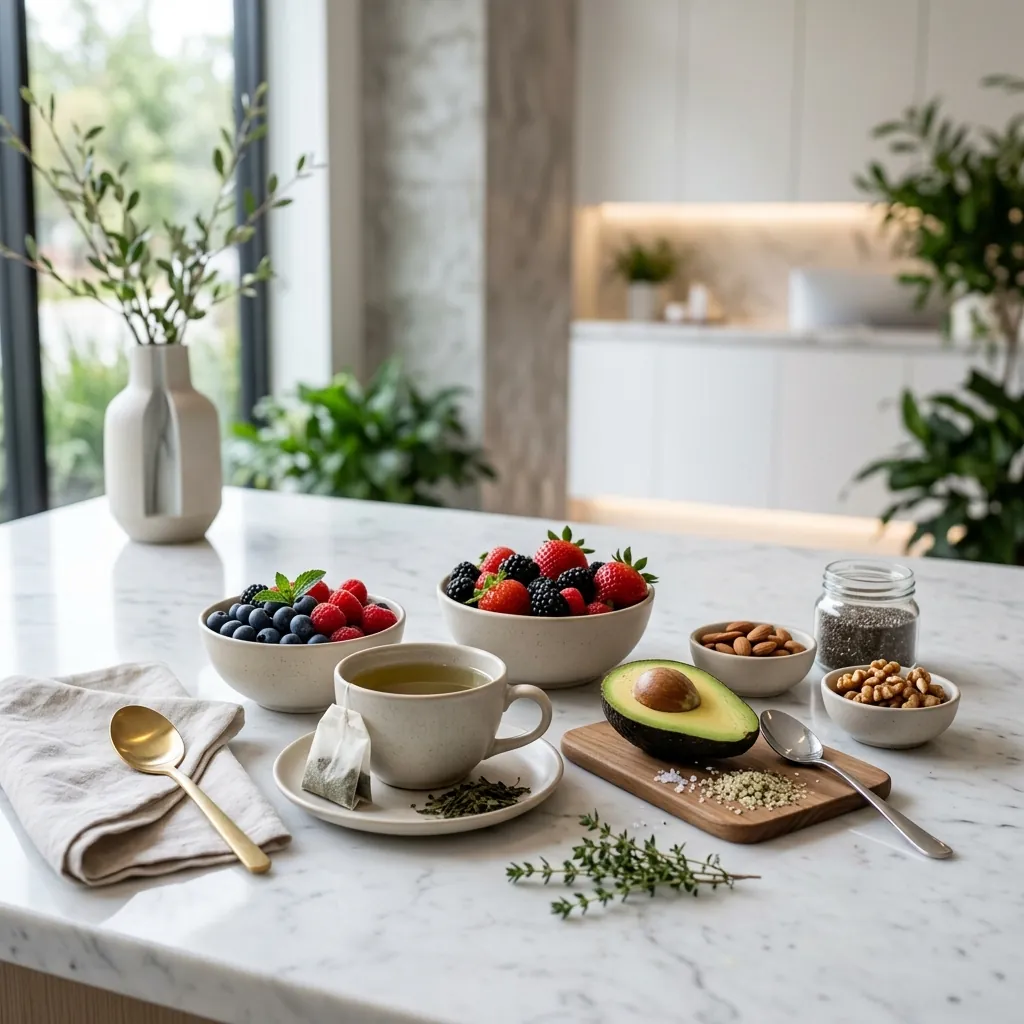
Many people believe that keeping their skin youthful and radiant is purely a matter of applying premium skincare or visiting an aesthetic clinic for lasers and injectables.
While those treatments are highly effective, they represent only half of the equation. At Honest Clinic, I advocate for Lifestyle Medicine—focusing on the profound impact that daily habits, especially nutrition, have on our health. True, sustainable beauty begins inside, with how we nourish our cells.
What Happens to Our Skin Cells as We Age?
To understand how nutrition can slow down aging, we must first look at what damages our skin cells. Three main biological processes drive cellular aging:
- Glycation (Sugar Damage): When you consume refined sugars, they bind to proteins like collagen and elastin. This forms harmful compounds called AGEs (Advanced Glycation End-products), which make your collagen brittle, stiff, and prone to sagging. Imagine your soft collagen turning into stiff, dry noodles.
- Oxidative Stress: Environmental pollutants, UV rays, and stress generate 'Free Radicals'—unstable molecules that steal electrons from your healthy skin cells, damaging their membranes and DNA over time.
- Inflammaging: This is a scientific term combining 'inflammation' and 'aging'. It refers to low-grade, chronic, silent inflammation throughout the body that quietly breaks down your skin's collagen reserves year after year.
The 'Eat Yourself Beautiful' Anti-Aging Protocol
We can combat these three cellular enemies directly through strategic nutritional choices. Here are the core nutritional habits I recommend to all my patients:
1. Reduce Refined Sugars (Defeat Glycation)
Avoiding processed sweets, high-fructose corn syrups, and white flour is the most direct way to protect your existing collagen.
Try swapping refined carbohydrates for complex carbohydrates like whole grains, which release glucose slowly and prevent sugar spikes in the blood.
2. Eat a Rainbow of Antioxidants (Neutralize Free Radicals)
Antioxidants act as a natural shield, giving free radicals the electrons they seek so they leave your healthy skin cells alone. Aim for a colorful plate:
- Red/Pink (Lycopene): Cooked tomatoes and watermelon help protect against UV damage.
- Purple/Blue (Anthocyanins): Blueberries and blackberries protect skin microcirculation.
- Green (EGCG & Vitamin C): Green tea and leafy greens support collagen synthesis.
3. Embrace Healthy Fats (Strengthen Skin Barrier)
Your skin cell membranes are made of lipids. Eating healthy fats, particularly Omega-3 fatty acids, helps keep these membranes fluid, hydrated, and strong. This locks moisture in and keeps external irritants out.
Excellent sources include wild-caught salmon, avocados, raw walnuts, and chia seeds.
Honest Summary from our doctor
Skincare products and aesthetic clinic treatments like lasers or collagen stimulators do an incredible job of repairing the skin from the outside in (accounting for about 50% of your results).
However, cellular health and nutrition work from the inside out to sustain those results (the remaining 50%). Combining medical aesthetics with lifestyle medicine is the most honest, effective, and beautiful way to care for your skin for life.
Frequently Asked Questions
A balanced, nutrient-rich diet provides all the essential co-factors (like Vitamin C, zinc, and amino acids) your body actually needs to build its own collagen.
Excess alcohol and foods high in trans fats also dehydrate the skin and impair its natural regenerative processes.
Achieve radiant skin from the inside out.
→ View Lifestyle Medicine Details & Pricing